Trusted Mobile Tire Service Houston for Fast Tire Changes
Expert Tire Maintenance: Resume Driving With Care and Speed
Professional tire maintenance hold an important position in preserving vehicle wellbeing and performance. Qualified technicians execute meticulous inspections to spot multiple tire challenges. From leaks to tracking concerns, all matters demand meticulous review. Recognizing when to reach out professional assistance can prevent subsequent complications. As drivers face these challenges, they could reflect on the finest repair solutions and upkeep approaches. Researching these subjects can produce thoughtful choices and more protected adventures to come.
Frequent Tire Concerns to Recognize
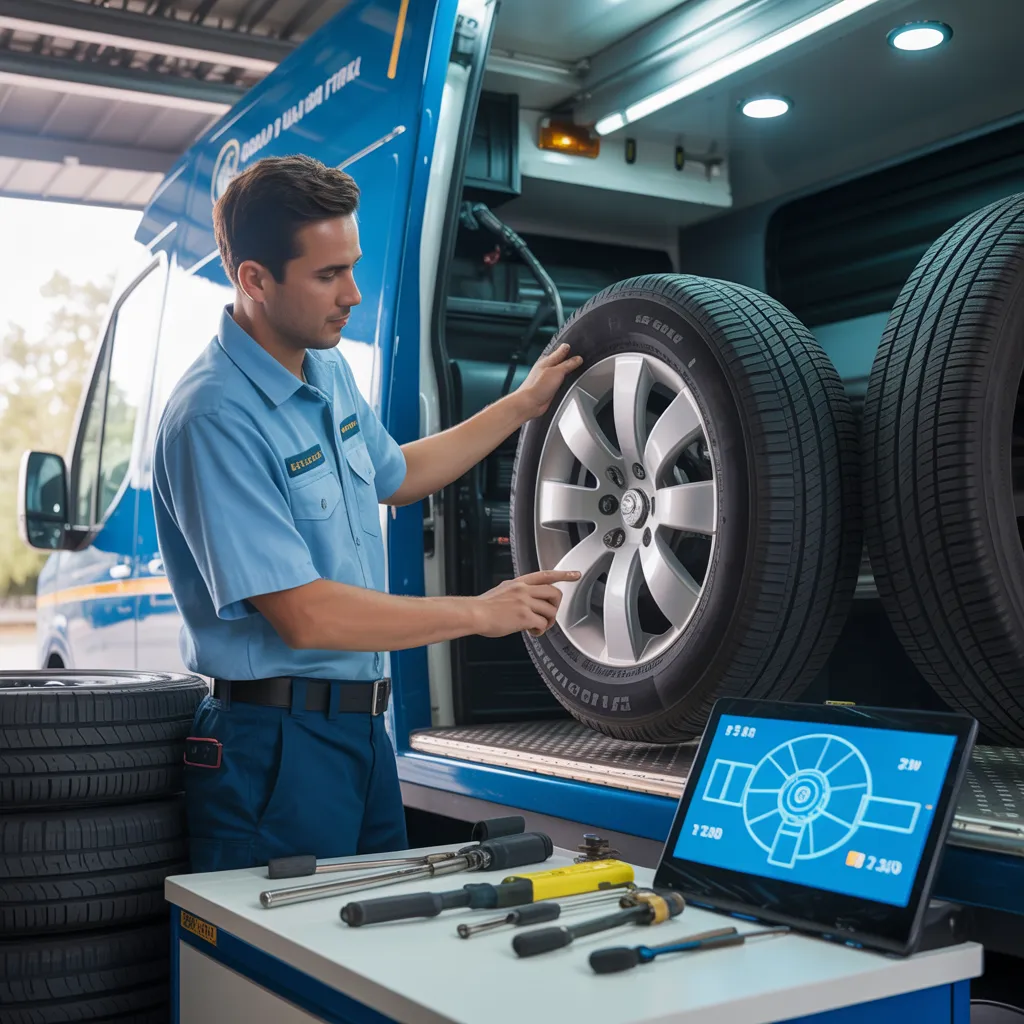
When drivers ignore their tires, they may encounter several common issues that can affect safety and performance. One common problem is underinflation, which can result in increased tire wear and reduced fuel efficiency. Over time, this can cause the tires to overheat, raising the risk of a blowout. Another common problem is tread wear, which affects traction and handling, particularly in wet conditions. Uneven wear may indicate alignment or suspension issues, necessitating further inspection. Additionally, drivers may encounter punctures or sidewall damage from road hazards, leading to slow leaks or complete tire failure. Routine tire maintenance including rotations and inspections with correct inflation are critical for preventing these issues. Finally, environmental conditions can also cause tire degradation, making it important for drivers to monitor their tire health. By recognizing these common problems, drivers can enhance their safety on the road.
How to Tell When to Seek Tire Service?
Recognizing the indicators that tire repairs are needed is vital for maintaining vehicle security and performance. Drivers should be vigilant for particular indicators that indicate tire issues. Irregular deterioration patterns on the surface, for instance, may suggest positioning problems or insufficient inflation. Additionally, visible damage, such as cuts, swelling, or punctures, often requires immediate attention. A sudden loss of air pressure or regular need for air replenishment
Car operators should monitor closely handling and performance changes, such as vibrations or pulling to one side, which could suggest tire imbalances or internal damage. Finally, consistently checking tread depth is important; tires with areas of wear undermine traction. By watching for these signs, drivers can confirm timely repairs, enhancing both safety and vehicle longevity. Addressing these problems promptly not only avoids potential accidents but also lowers more extensive repair costs in the future.
What You Should Know About the Tire Repair Process
The tire restoration process typically involves several key steps to guarantee safety and productivity. First, a technician reviews the tire for visible damage and analyzes its overall condition. This assessment aids in deciding whether the tire can be repaired or should be replaced. Following the inspection, the technician may take off the tire from the wheel to uncover punctures or internal damage.
Once any issues are identified, the technician cleans the affected section and readies it for restoration. This may involve installing a seal or insert, depending on the nature and position of the damage. After the repair is finished, the tire is reinstalled and correctly inflated to the manufacturer's specifications.
Finally, a quality check confirms that the repair meets safety standards. Throughout the undertaking, experts prioritize communication, advising the customer of details and recommendations. This methodical approach guarantees a solid restoration, letting travelers to proceed to the road with confidence.
DIY Tire Fixes vs. Professional Help
Upon grasping the tire servicing procedure, many motorists may consider whether to handle fixes on their own or seek professional help. DIY tire fixes can be appealing, especially for those with basic technical skills and equipment. Basic punctures can often be repaired using restoration kits found at auto retail stores, reducing both time and money. However, this strategy carries risks if proper procedures are not employed, potentially causing further harm or safety hazards.
On the flip side, professional tire repair services supply knowledge and specialized equipment. Trained professionals can properly evaluate tire damage, making sure repairs are dependable and safe. They can also uncover underlying problems that a do-it-yourself method might fail to notice. In the end, the decision regarding DIY repairs versus professional assistance relies on the driver's confidence, expertise, and the extent of the tire damage. Establishing a thoughtful choice is critical for maintaining safety while driving.
How to Choose the Best Tire Repair Service
How should motorists guarantee they pick the best tire restoration service? First, they should research regional options, focusing on customer reviews and evaluations. This information gives clarity into the service quality and reliability of various shops. Next, looking for certifications and affiliations with well-known automotive organizations can reflect professionalism and experience.
Moreover, drivers should question the types of repairs offered, ensuring the facility can resolve their specific tire issues. Honest pricing is also necessary; trusted shops furnish explicit estimates without unexpected fees.
Additionally, assessing the shop's protection plans on repairs can offer assurance. Finally, practicality matters—location relative to home or work, as well as operation times, can impact the determination. By considering these factors, automobile owners can with certainty opt for a repair facility that meets their needs with success.
Plusses of Standard Tire Maintenance
Regular tire maintenance delivers numerous benefits that extend the life span and performance of tires. By routinely checking tire pressure, tread depth, and general state, vehicle owners can ensure ideal traction and handling. Correct air pressure reduces wear, improving fuel efficiency and reducing costs at the pump. In addition, regular inspections can help detect issues such as uneven wear or damage, allowing for timely repairs that avoid more significant problems down the road.
Taking care of tires also strengthens safety by reducing the likelihood of tire blowouts or accidents caused by depleted tread. Moreover, a well-maintained set of tires helps provide a smoother ride, improving comfort for both the driver and passengers. Spending time on regular tire maintenance allows individuals to maximize the value of their investment, guaranteeing reliable performance and peace of mind while driving. To sum up, regular tire maintenance is a key factor in responsible vehicle ownership.
Suggestions for Avoiding Future Tire Problems
Maintaining tires proactively can greatly reduce the odds of future problems. Regularly assessing tire pressure is vital; low tire pressure can lead to premature wear and reduced fuel efficiency. It is suggested to inspect tires for observable damage, such as cuts or bulges, which may denote structural issues. Repositioning tires every 5,000 to 8,000 miles helps guarantee even wear, lengthening their lifespan.
Additionally, keeping correct alignment and balance is critical to prevent uneven tread wear. Drivers should also check tread depth, using the penny test as a simple method; if Lincoln's head is visible, it's time for a new tire. Finally, preventing excessive loading of the vehicle can more info prevent excessive strain on tires. By implementing these strategies, vehicle owners can enhance tire longevity and support a safer driving experience.

Frequently Asked Questions
What amount of time is required for a common tire repair?
A typical tire service typically involves 30 minutes up to an hour determined by the amount of damage and the particular repair required. Factors like technician presence and shop workload can also modify the timeframe.
Are All Wheel Varieties Fixable?
Not every tire type is able to be repaired. In most cases, punctures located in the tread area on passenger tires might be fixable, whereas sidewall deterioration, extreme wear, or tires that have had numerous fixes often demand purchasing new tires to assure safety.
How Much Does Tire Repair Expense?
The expense for tire repairs commonly ranges from $10 to $30, determined by the extent of harm and geographic location. Key variables like tire type and your service center can influence the ultimate price, resulting in variability.
Does Your Insurance Cover Tire Repair?
Tire repair protection differs based on which insurance policy you have. Various plans feature roadside assistance or repair costs, but others exclude these benefits. It's essential for people to examine their individual coverage terms to determine their protection for tire fixes.
How Can I Extend the Life Span of My Tire?
To extend a tire's operational life, periodic upkeep is paramount. This consists of maintaining proper tire pressure, rotating tires frequently, ensuring proper alignment, limiting excess cargo, and tracking tread condition for indications of wear and damage.